0086-19851820538
carlos@khonorchem.com
 English
 English English
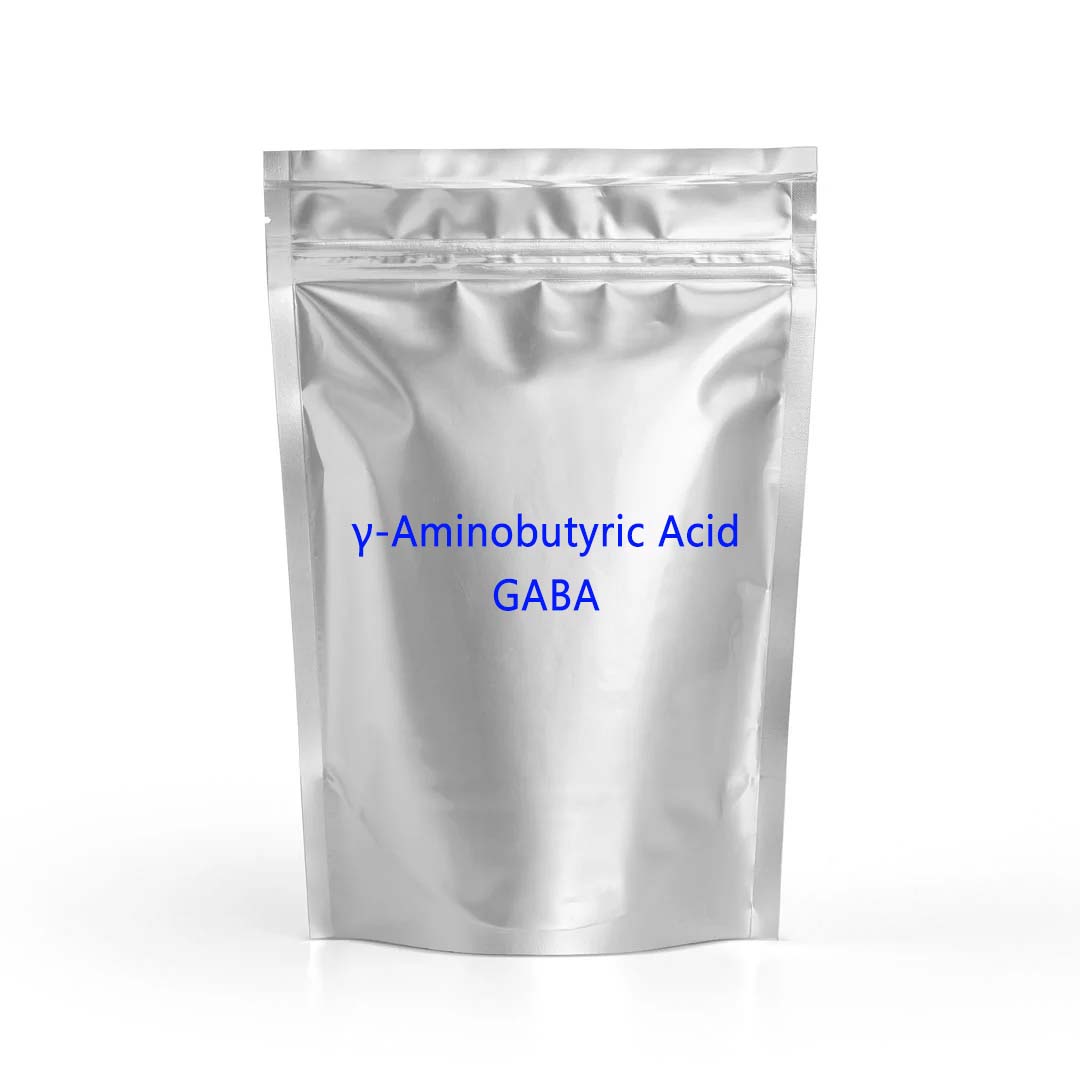
Gamma-Aminobutyric Acid (GABA): Functions, Mechanism of Action, Applications, and Supplier
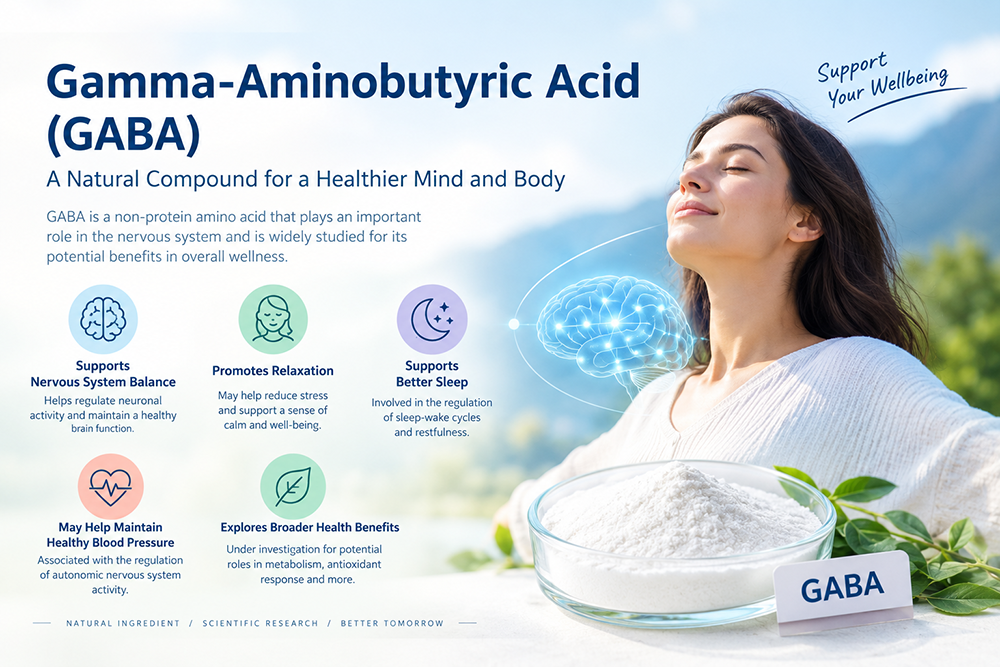
Gamma-aminobutyric acid (GABA), also known as 4-aminobutyric acid, is a naturally occurring non-protein amino acid found in plants, microorganisms, animals, and the human body. It is best known for its role as the principal inhibitory neurotransmitter in the mature central nervous system, where it helps regulate neuronal activity and maintain a balance between excitatory and inhibitory signaling.
With growing interest in functional foods, nutritional supplements, and bioactive ingredients, GABA has attracted considerable attention from food manufacturers, dietary supplement brands, and ingredient developers. It is used as a functional ingredient in various product formulations, subject to the applicable regulatory requirements of each market.
For manufacturers seeking to develop products associated with relaxation, sleep quality, and general wellness, GABA is an ingredient of research interest. However, the physiological effects of orally consumed GABA are still being investigated, and evidence supporting specific health outcomes varies.
Jiangsu Khonor Chemicals Co., Limited supplies chemical and nutritional ingredients to international markets, supporting customers with product information, specification coordination, and export supply services.
Product Name: Gamma-Aminobutyric Acid
Abbreviation: GABA
Synonyms: 4-Aminobutyric Acid; γ-Aminobutyric Acid
CAS Number: 56-12-2
Molecular Formula: C4H9NO2
Molecular Weight: 103.12 g/mol
Chemical Type: Non-protein amino acid
Primary Application Areas: Functional foods, nutritional supplements, food ingredients, and research applications
Product Grade: To be confirmed according to the supplier's specifications and the intended application.
GABA is the major inhibitory neurotransmitter in the mature central nervous system. It helps regulate communication between neurons by reducing the likelihood that certain nerve cells will generate electrical signals.
This inhibitory function is essential for maintaining a balanced nervous system. Appropriate regulation of neuronal excitation and inhibition contributes to normal neural signaling and coordinated physiological activity.
Because of this role, GABA is widely studied in neuroscience and has become an ingredient of interest in the development of nutritional products targeting relaxation and general wellness.
GABA-mediated neurotransmission is involved in the regulation of neural circuits associated with arousal, emotional responses, and stress-related processes.
For this reason, researchers have investigated whether oral GABA supplementation may influence subjective relaxation or stress-related outcomes. Some preliminary studies suggest potential benefits, but the evidence remains limited, and the mechanisms responsible for any effects following oral consumption are not fully established.
The effects of GABA supplements should not be equated with those of prescription medicines that act on GABA receptors.
GABA signaling participates in the regulation of sleep-wake activity. Its role in neural inhibition has made it a subject of research in the development of ingredients for sleep-related nutritional products.
Some human studies have explored the relationship between oral GABA intake and sleep quality. However, the available evidence is not sufficient to guarantee a consistent sleep-promoting effect across individuals or product formulations.
GABA has also been investigated for its potential influence on blood pressure regulation. Proposed mechanisms include modulation of autonomic nervous system activity and interactions with pathways involved in vascular regulation.
Some studies involving GABA-enriched foods and oral supplementation have reported favorable changes in blood pressure measurements. Nevertheless, the evidence is not conclusive enough to treat GABA as a substitute for antihypertensive medication or as a treatment for hypertension.
Beyond neurotransmission, researchers have investigated GABA's possible involvement in metabolic regulation, antioxidant responses, and other physiological processes.
Many findings in these areas come from laboratory experiments or animal studies. Further well-designed human research is required to determine the clinical significance of these observations.
For ingredient developers, these research areas provide opportunities for formulation innovation, while product claims must remain consistent with available evidence and local regulations.
GABA's best-established biological mechanism involves its interaction with specific receptors in the nervous system.
GABA-A receptors are ligand-gated ion channels located on neuronal membranes. When GABA activates these receptors, chloride ion conductance changes, generally making mature neurons less likely to generate action potentials.
This process reduces neuronal excitability and helps regulate the intensity and timing of neural signaling.
GABA-B receptors are G-protein-coupled receptors. Their activation triggers intracellular signaling processes that can increase potassium conductance, reduce calcium entry at presynaptic terminals, and modulate neurotransmitter release.
Through these mechanisms, GABA-B receptors contribute to the regulation of neuronal communication.
The nervous system relies on a carefully regulated balance between excitatory neurotransmission, largely associated with glutamate, and inhibitory neurotransmission, in which GABA plays a central role.
GABA signaling helps control excessive neuronal excitation and supports the normal operation of neural networks.
It is important to distinguish these established physiological mechanisms from the effects of consuming GABA as a food ingredient. The extent to which orally ingested GABA reaches the human brain, crosses the blood-brain barrier, or produces specific neurological effects remains an area of scientific investigation.
GABA is used or investigated as a functional ingredient in selected food and beverage formulations, including:
Functional beverages and nutritional drinks
Fermented food products
GABA-enriched grain and plant-based foods
Specialty wellness food formulations
Other functional food concepts where permitted by local regulations
GABA can occur naturally in fermented foods and germinated grains. Manufacturers may also develop products using separately produced GABA, depending on the applicable ingredient authorization and formulation requirements.
GABA is marketed as an ingredient in dietary supplement formulations in certain markets.
Potential dosage forms include capsules, tablets, powders, and combination formulations. Depending on market requirements, GABA may be combined with other nutritional ingredients to create products positioned around relaxation, sleep-related wellness, or general nutritional support.
The suitability of GABA for a particular supplement depends on the applicable regulations, product category, intended claims, and finished-product formulation.
Ingredient manufacturers and supplement brands may evaluate GABA for use in innovative formulations that respond to consumer interest in stress management, sleep-related wellness, and functional nutrition.
Successful product development requires more than ingredient selection. Solubility, stability, sensory characteristics, dosage-form compatibility, analytical methods, and regulatory status should all be considered during formulation development.
GABA is also used in biochemical research and in studies investigating neurotransmission, metabolism, and physiological signaling.
Research-grade material should be distinguished from food-grade or dietary supplement-grade material, as their specifications and intended uses may differ.
Gamma-aminobutyric acid can be obtained through several production approaches.
Microbial fermentation is an important method for producing GABA. Selected microorganisms can convert glutamic acid or glutamate into GABA through the action of glutamate decarboxylase.
The general biochemical reaction is:
L-Glutamic Acid → Gamma-Aminobutyric Acid + Carbon Dioxide
During this process, glutamate decarboxylase removes the carboxyl group from glutamic acid, producing GABA. Pyridoxal phosphate, the active form of vitamin B6, serves as a cofactor in this enzymatic reaction.
Depending on the production system, manufacturers may use selected lactic acid bacteria or other suitable microorganisms, controlled fermentation conditions, and downstream purification processes.
GABA can also be obtained through the enrichment of plant materials, including germinated grains and selected fermented plant products.
During germination or fermentation, endogenous plant enzymes or microbial activity can increase GABA concentrations in the raw material.
This approach is particularly relevant to the development of GABA-enriched foods and fermented functional ingredients.
Chemical synthesis is another possible production route. The suitability of any manufacturing method for food or nutritional applications depends on process control, impurity profiles, purification, and compliance with applicable quality and regulatory requirements.
Regardless of the production route, the final ingredient should be evaluated against appropriate specifications for identity, assay, impurities, microbiological quality where relevant, and intended use.
For manufacturers purchasing GABA as a raw material, the following quality attributes are important:
Identity and assay: confirmation of the chemical identity and active ingredient content.
Appearance: verification against the supplier's specification.
Impurity profile: evaluation of relevant residual materials and process-related impurities.
Microbiological quality: assessment where required for food and nutritional applications.
Moisture content: control according to the product specification and storage requirements.
Solubility and formulation compatibility: evaluation for the intended finished product.
Documentation: availability of a Certificate of Analysis (COA), Technical Data Sheet (TDS), and Safety Data Sheet (SDS), as applicable.
Regulatory compliance: confirmation that the ingredient and its intended use meet the requirements of the destination market.
Specific analytical limits should be established using the actual product specification rather than assumed from the general chemical identity of GABA.
The safety and permitted uses of GABA depend on the intended application, dosage, target population, product category, and destination market.
A published safety review by the United States Pharmacopeial Convention evaluated available toxicological and clinical information on GABA. Although the reviewed evidence was generally reassuring in the studied settings, it does not establish universal safety for every dosage, population, or product formulation.
Some studies have reported temporary reductions in blood pressure. Additional caution may be appropriate for people taking antihypertensive medication, as well as pregnant or breastfeeding individuals, for whom relevant safety information is limited.
For commercial applications, buyers should verify the ingredient's regulatory status in the target country before incorporating it into foods or dietary supplements. Ingredient approval and permitted health claims can differ significantly between markets.
GABA should not be presented as a treatment or cure for insomnia, anxiety disorders, hypertension, or other medical conditions unless such claims are specifically authorized under the applicable regulatory framework.
Jiangsu Khonor Chemicals Co., Limited is a chemical export and supply company serving customers across international markets. We focus on providing competitive sourcing options, product information, quality coordination, and responsive service for industrial and nutritional ingredient buyers.
Our advantages include:
Broad Product Portfolio: Access to a range of food ingredients, nutritional raw materials, phosphates, citrate salts, glycerophosphate salts, and other specialty chemicals.
Competitive Sourcing: Coordination with suitable production partners to help customers evaluate cost-effective supply options.
Quality Coordination: Support with product specifications, COAs, TDSs, and other relevant documentation.
Flexible Supply Solutions: Assistance with packaging, shipment planning, and product requirements according to confirmed availability.
Export Experience: Experience coordinating international chemical shipments and communicating with overseas customers.
Responsive Service: Timely communication and practical support throughout the inquiry and order process.
For GABA inquiries, customers are welcome to contact our team to discuss the required grade, assay, packaging, destination market, and relevant documentation.
Q1: What is the CAS number of gamma-aminobutyric acid?
The CAS number of gamma-aminobutyric acid is 56-12-2.
Q2: Is GABA a protein amino acid?
No. GABA is a non-protein amino acid. Unlike the standard amino acids incorporated into proteins during translation, GABA is primarily known for its biological role in neurotransmission and other metabolic processes.
Q3: How does GABA function in the human body?
GABA acts as the principal inhibitory neurotransmitter in the mature central nervous system. It regulates neuronal excitability primarily through GABA-A and GABA-B receptor pathways.
Q4: Can GABA be used in functional foods and dietary supplements?
GABA is used in certain functional food and dietary supplement products, subject to the relevant ingredient authorization, product category, and regulatory requirements in each market.
Q5: Is GABA produced through fermentation?
Yes. Microbial fermentation is an established production approach. Selected microorganisms can convert glutamate into GABA through glutamate decarboxylase-mediated reactions. Other production methods may also be used.
Q6: What documents should buyers request when purchasing GABA?
Buyers should request a current COA, TDS, and SDS, as applicable. Additional information may include manufacturing origin, production method, impurity data, microbiological results, allergen statements, and regulatory documentation, depending on the intended application.
Q7: Does GABA guarantee improved sleep or reduced stress?
No. Although GABA is involved in neural pathways associated with arousal and relaxation, evidence for specific benefits from oral supplementation remains limited. Results may vary depending on the formulation, dose, and individual factors.
Looking for a reliable supplier of gamma-aminobutyric acid for your food ingredient, nutritional supplement, or specialty ingredient business?
Jiangsu Khonor Chemicals Co., Limited welcomes inquiries from distributors, ingredient importers, food manufacturers, and supplement formulators.
Contact our team to discuss product specifications, available grades, packaging options, documentation, and quotation requirements.
Jiangsu Khonor Chemicals Co., Limited
Professional, Efficient, and Competitive.
Your Partner for Chemical and Nutritional Ingredient Supply.
 MSDS - GAMM-AMINOBUTYRIC-ACID.pdf
Subscribe your E-mail for our
Newsletter & Business Tips
 0086-19851820538
 carlos@khonorchem.com
 Rm 1902 Easey Comm Bldg, 253-261, Hennessy RD Wanchai HK
Back to top
 English
 Spain
 ruso
 Portuguese
 italiano
 Arabic
 French
 Korean
 German
 Turkish
 Vietnamese
 Indonesian
 Dutch
 Polish
 Far
 Thai